Loading...
Loading...
Loading...


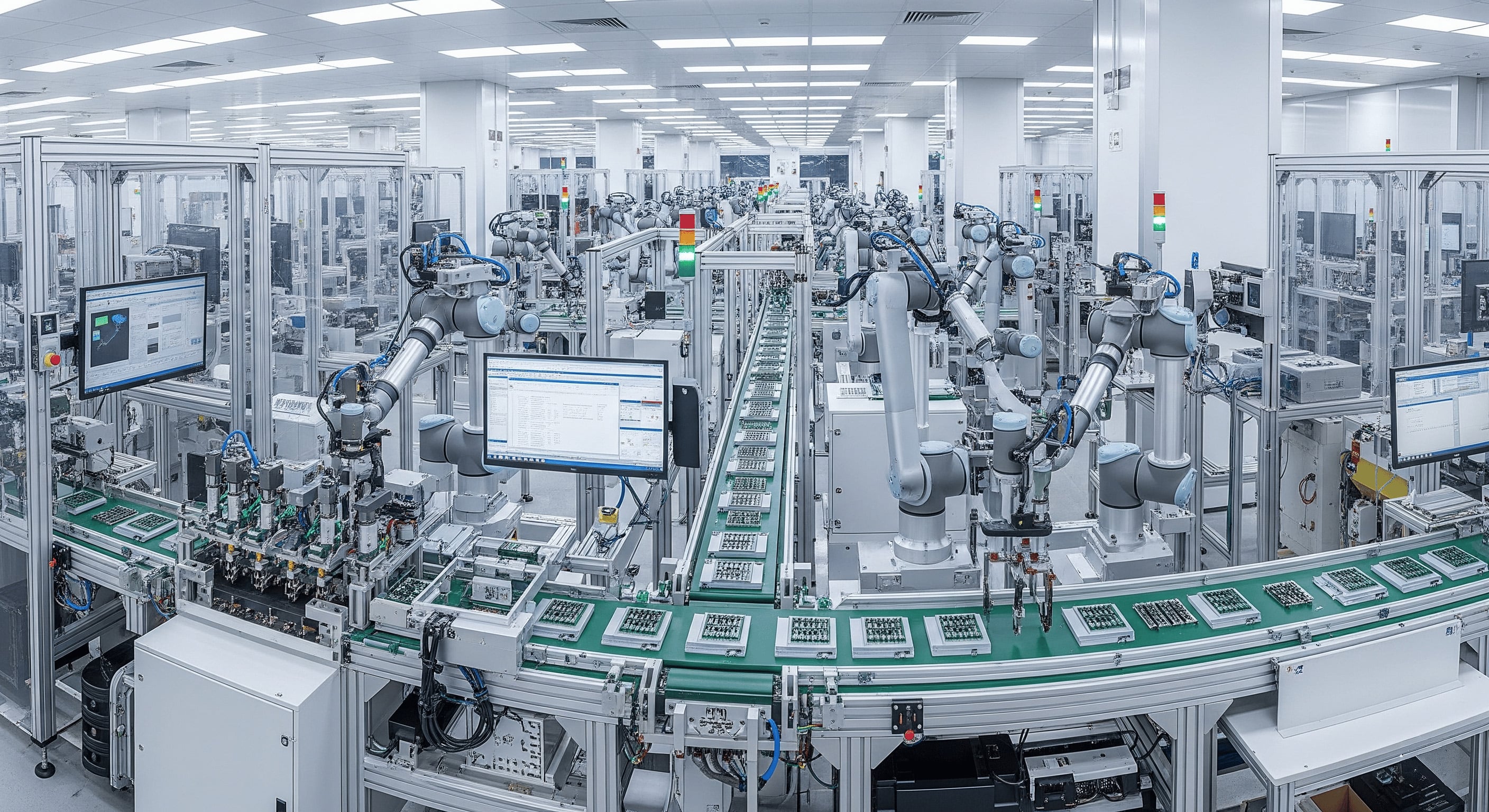
In today’s fast-paced world, the healthcare and pharmaceutical industry is undergoing a rapid transformation. With the growing global demand for medicines, vaccines, and diagnostic kits, manufacturers are moving beyond traditional production methods. The focus has shifted toward precision-driven automation technologies that ensure consistent quality, regulatory compliance, and operational excellence.
However, this evolution presents a critical challenge:
How can pharmaceutical manufacturers achieve faster production, accurate testing, and zero-defect output while meeting stringent global quality standards?
The answer lies in advanced automation—a seamless integration of deep learning, intelligent monitoring software, custom-engineered solutions, and automated control systems. These technologies empower manufacturers with real-time insights, superior quality control, and sustainable production at every stage.
The Shift: From Manual Inspection to Intelligent Automation
Traditional manual inspections often slow down production and leave room for human error. Modern automation solutions eliminate these limitations by enabling:
♢ Automated Vision Inspection Systems – Powered by deep learning, these systems detect micro-defects, packaging errors, and inconsistencies that are often invisible to the human eye.
♢ Smart Production with Precision Monitoring – Intelligent monitoring platforms and test bench solutions provide real-time visibility into production performance, helping identify bottlenecks and optimize processes instantly.
♢ Customized Mechanical Assemblies – Expertly engineered mechanical solutions designed to integrate seamlessly into existing production lines without operational disruption.
♢ Automated Control Systems – Smart control architectures that connect every layer of production, enabling centralized monitoring, enhanced reliability, and smooth plant operations.
Why the Pharma Industry Needs Automation Now
♢ Faster Time-to-Market – Automation accelerates production while maintaining high accuracy and repeatability.
♢ Zero-Defect Manufacturing – Deep learning-based vision inspection ensures only compliant and defect-free products reach the market.
♢ Regulatory Compliance – Automated monitoring and traceability help meet global pharmaceutical manufacturing standards.
♢ Sustainable Production – Intelligent systems minimize material waste, energy consumption, and product rejections.
Our Role: Partnering for Precision and Growth
At Lubi Electronics, we believe pharmaceutical manufacturers need more than just automation products—they need a technology partner who understands their production challenges and growth objectives.
We empower manufacturers through:
♢ Advanced SCADA Integration – Real-time visibility into production capacity, performance, and efficiency.
♢ Deep Learning Vision Inspection – Reduced risk of defects and enhanced patient safety.
♢ Customized Assembly Solutions – Designed to fit existing systems without disrupting operations.
♢ Future-Ready Automation – Industry 4.0 solutions including AI analytics, IoT-enabled monitoring, and predictive maintenance.
The Bigger Picture: Building Trust with Every Product
In healthcare manufacturing, even a minor defect can have serious consequences. Automation is not just about efficiency—it is about ensuring patient safety, building trust, and delivering consistent quality.
Advanced automation enables pharma manufacturers to confidently deliver:
✓ Superior Product Quality
✓ Faster Market Delivery
✓ Higher Customer Confidence
✓ Sustainable and Scalable Operations
Conclusion
The pharmaceutical industry stands at the forefront of innovation, but sustainable growth demands accurate, adaptive, and future-ready technology. By embracing advanced automation, machine vision, and deep learning solutions, manufacturers can overcome traditional limitations and unlock new levels of efficiency, reliability, and trust.
At Lubi Electronics, we are shaping the future of pharmaceutical manufacturing through intelligent automation integrations—creating smarter, safer, and more sustainable production environments.
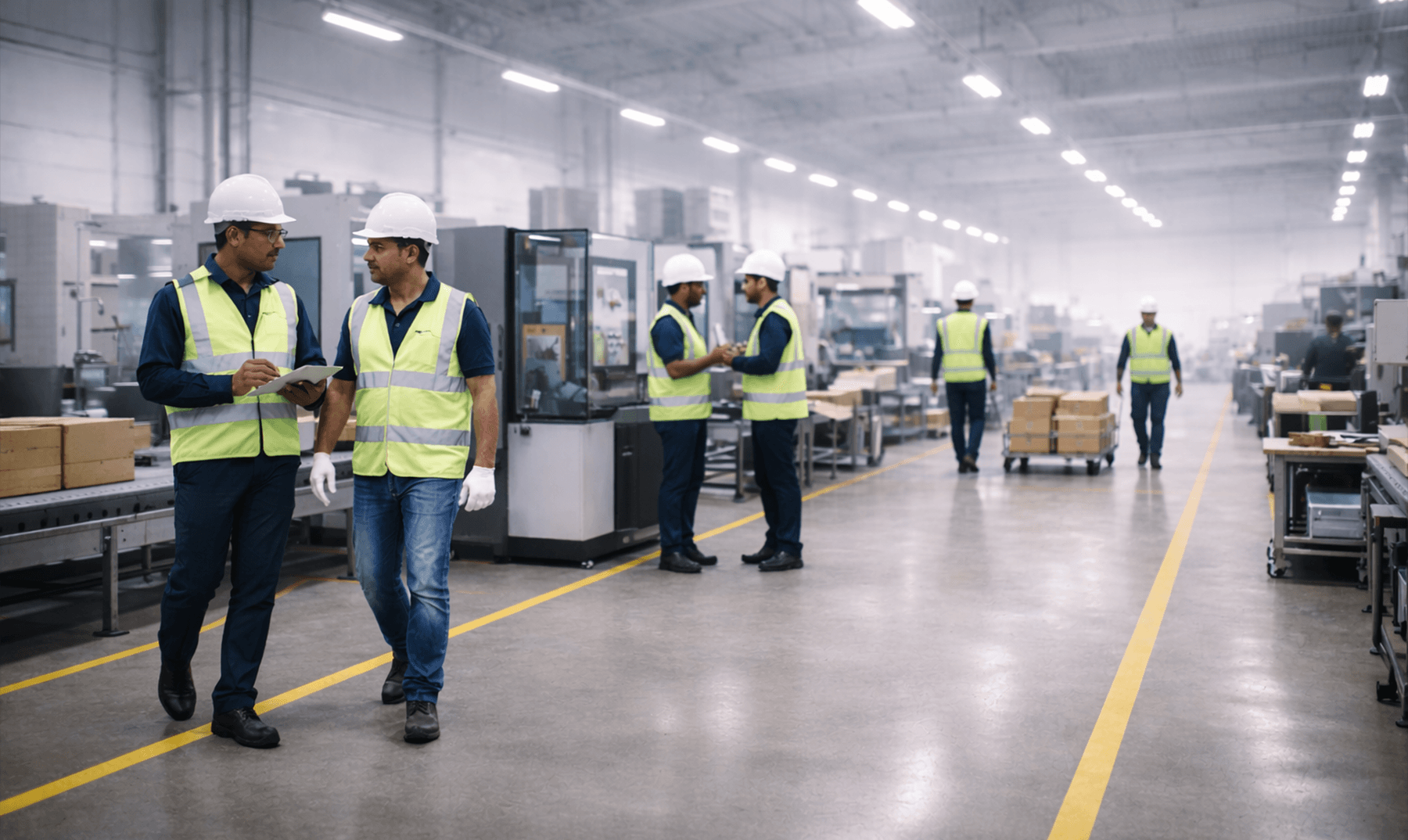
Every day in your plant, people, machines, and materials move continuously. Your teams focus on meeting production targets, maintaining quality, and keeping operations running smoothly. At the same time, safety and uptime remain constant concerns...
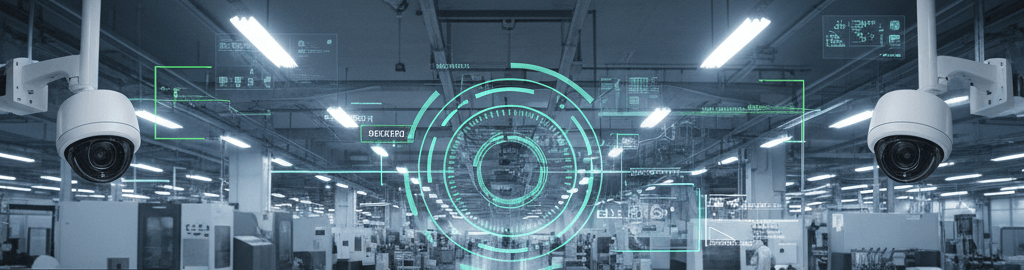
Computer vision and CCTV technologies are reshaping modern factories by enabling real-time monitoring, intelligent decision-making, and enhanced safety, allowing manufacturing systems to “see,” analyze, and respond with greater accuracy and efficiency.
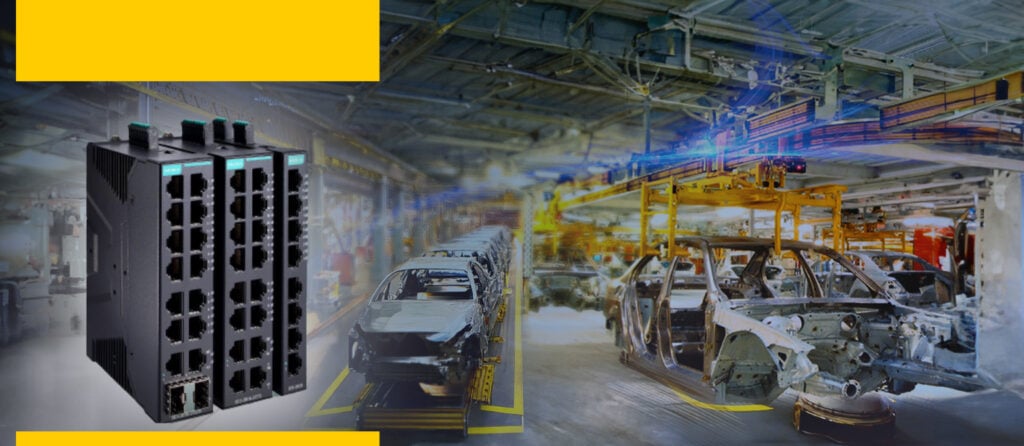
An overhead conveyor or transfer system is an elevated system that is used to transport items throughout the facility. In an Overhead Transfer System (OTS) the trolleys that hold the item are generally rings or hooks.